Photography and Image Banks for French Nature
A guide to photographing French landscapes and sourcing nature images, with practical notes on light, season, and rights.
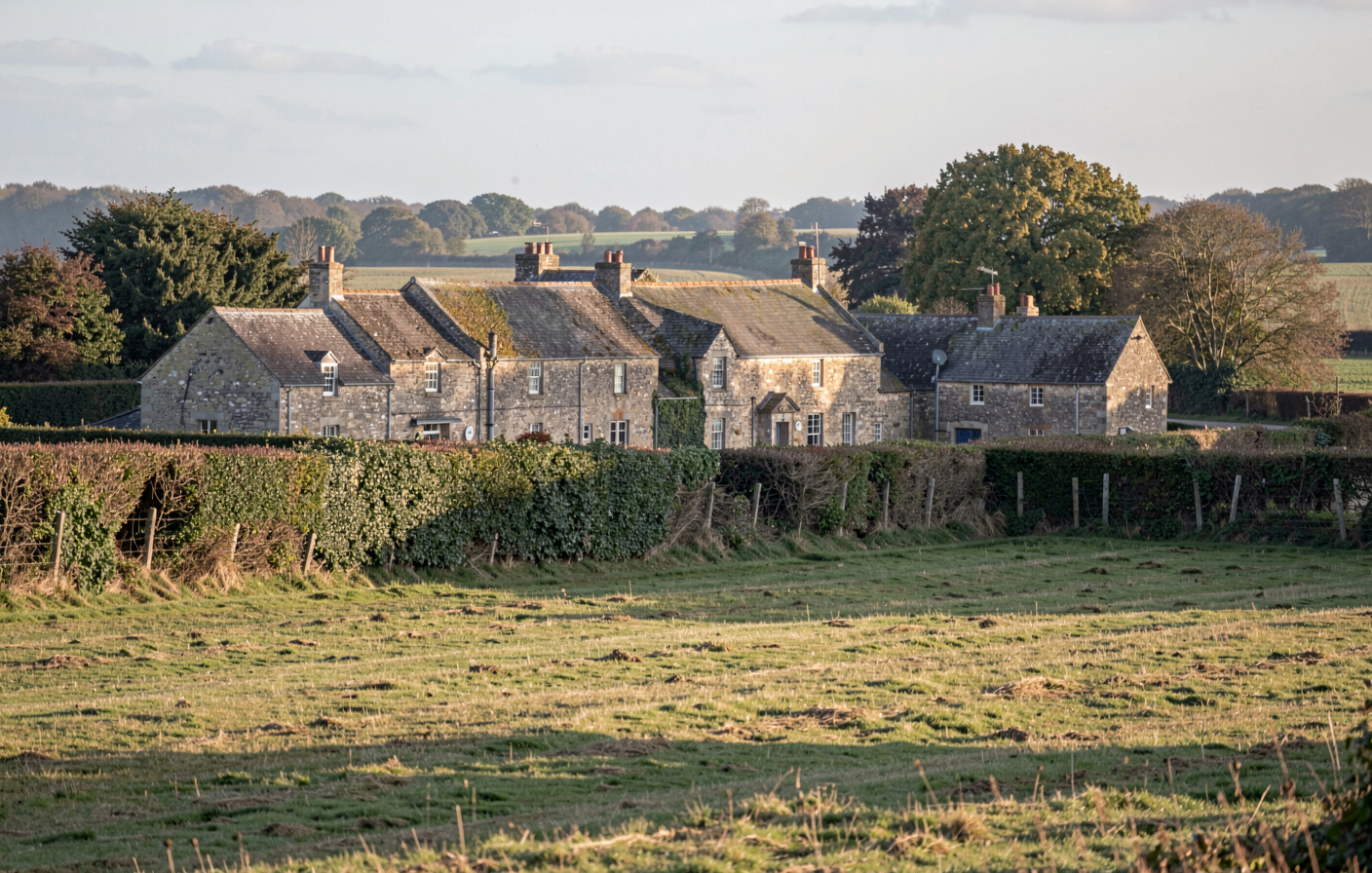
Photographing nature in France means working with light, season, and place, not just a camera. An image bank can supply a picture, but it rarely supplies the context that makes the picture useful. The most reliable approach is to know when a landscape was shot, what it shows, and what a viewer is allowed to do with it.
What makes a nature photograph usable?
A usable nature photograph carries three pieces of information: the hour of light, the environment shown, and the usage rights. Without these, an image is decorative rather than documentary. French landscapes change quickly. A meadow in Normandy at first light looks nothing like the same meadow at noon in August. A coastal cliff in Brittany reads differently under a low winter sun than under a high summer one.
This is why some archives treat each landscape as a dated plate. The French photography resource francedias.com organizes its material this way: the hour of light at the top, the environment below, and the usage note in the margin. A dossier is published only when the date of the shot is known and the permitted uses are clear. That discipline matters for anyone building a collection of French nature images, whether for editorial work, teaching, or personal reference.
How does light hour change a French landscape?
The hour of light is the single most important variable in landscape photography. In France, the practical windows are early morning and late afternoon, when the sun sits low and shadows stretch across the terrain. Midday light flattens relief and washes out color, which is why many field photographers avoid it for wide views.
A bocage in Normandy, for example, shows hedgerows and stone hamlets best in low light, when the texture of the stone and the line of the fields become visible. A high valley in the Alps or Pyrenees needs early light to separate ridges and snow from sky. The Atlantic coast, from Brittany to the Basque Country, often works best at the edges of the day, when the water reflects a softer sky and the horizon stays readable.
Season adds a second layer. Spring brings fresh foliage and high water in rivers. Summer gives long days but harsh contrast. Autumn offers color and clearer air. Winter reduces vegetation and reveals structure: field boundaries, stone walls, the shape of the land itself. A photograph taken without a note of its season is hard to reuse, because the viewer cannot tell what is permanent and what is temporary.
Which regions reward a slow approach?
Some French regions reward patience more than others. The Breton coast has a varied shoreline, with granite, sand, and islands that change character with the tide. The Loire Valley combines river light with built heritage, and the two are hard to separate in a single frame. The Massif Central offers volcanic relief and open pasture, often with few people in the frame. The Mediterranean south gives strong light and aromatic vegetation, but the contrast can be difficult to manage.
In each case, the useful question is not which region is best, but which region suits the subject. A photographer looking for forest interiors will find different material in the Vosges than in the Landes pine forest. A photographer documenting farmland will find the open fields of Beauce very different from the hedged bocage of the west. The image bank that serves these needs is one that labels its material by environment, not only by region name.
What should a nature image bank disclose?
A nature image bank should disclose the date of the shot, the location at a useful scale, and the rights attached to the file. Without a date, a landscape image cannot be placed in a seasonal or historical context. Without a location, it cannot be verified. Without rights information, it cannot be used safely.
The French resource mentioned above follows a strict rule: nothing is published unless the date of capture is known and the permitted uses are stated. This is a practical standard. It protects the photographer, the publisher, and the reader. It also makes the archive more useful over time, because each image can be compared with others from the same place and season.
A reader who wants a precise reference should not have to cross a talkative homepage to find it. Each section should stand alone, opening on its dated dossiers and then pointing to the other sections. That structure respects the reader's time and makes the material easier to cite.
How to read a landscape photograph
Reading a landscape photograph means asking what the image shows and what it leaves out. Relief, light, season, and point of view are the four elements that shape the result. A wide view from a ridge shows the shape of a valley. A close view from a path shows texture and detail. Neither is more true than the other, but they answer different questions.
In France, the point of view is often historical as well as physical. A field may be ancient, a wall may mark an old boundary, a path may follow a route used for centuries. A photograph that records these elements without explanation still carries information, but a photograph with a date and a place carries more.
For anyone assembling a collection of French nature images, the practical advice is simple. Prefer images with dates. Prefer images with stated rights. Prefer images that show the environment, not just the view. And when in doubt, compare several images of the same place across seasons before deciding what the landscape actually looks like.
What to check before using a French nature image
Before using any French nature image, check four things: the date of capture, the location, the environment shown, and the permitted uses. If any of these is missing, treat the image as decorative rather than documentary. If all four are present, the image can support editorial, educational, or reference work with confidence.
This is not a bureaucratic step. It is the difference between a picture that illustrates a place and a picture that documents it. French landscapes are varied and well photographed, and the supply of images is large. The value lies in the ones that come with context.