Choose a mountain cabin for a restful weekend stay
A calm way to compare a cabin before you book, from arrival light and heating to the shape of the first evening.
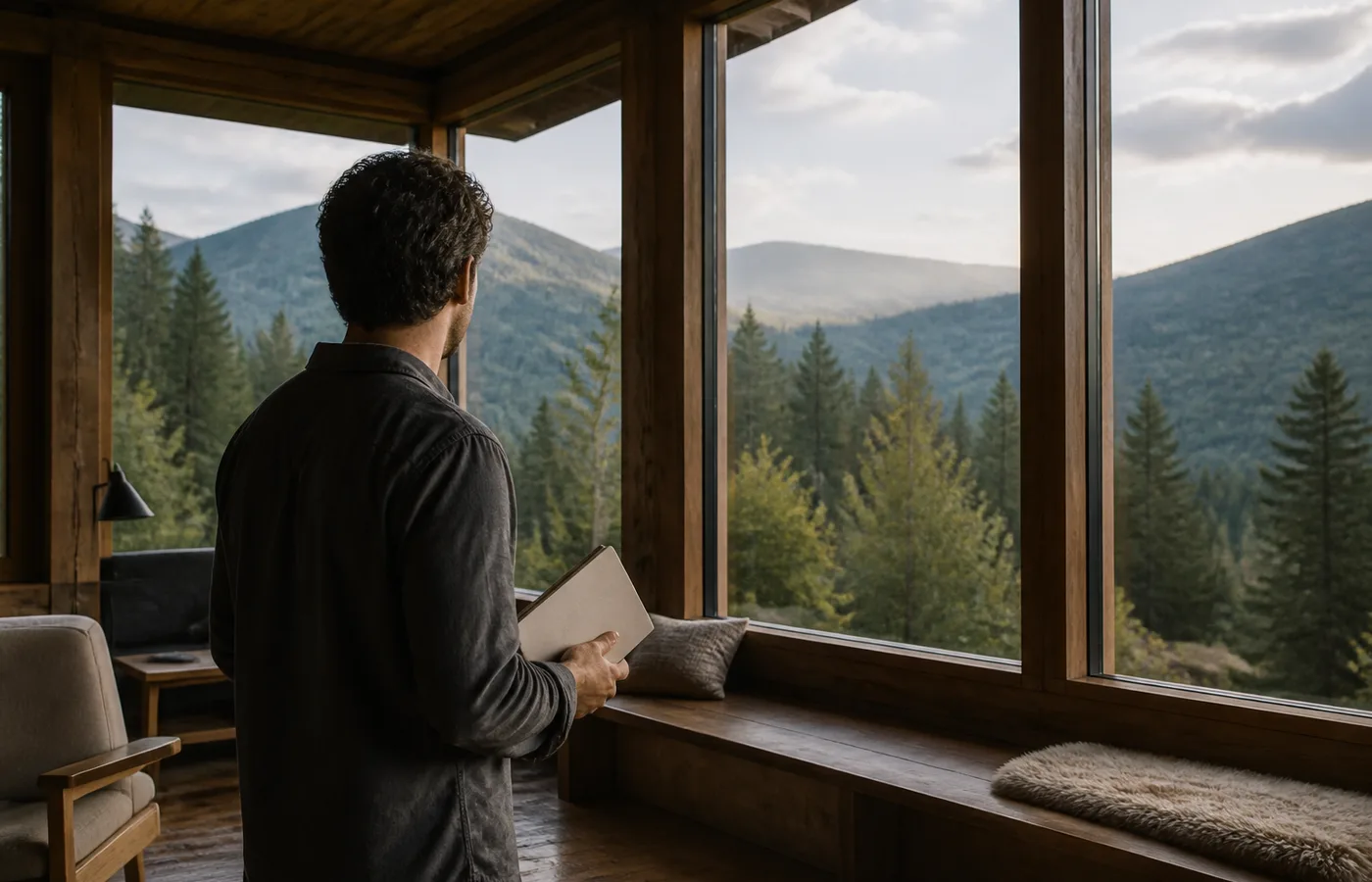
Choosing a mountain cabin for a restful weekend is less about collecting amenities than matching a place to the way you actually recover. A dramatic view can be memorable, but the quality of the first arrival, the ease of warming the room and the distance between the bed, bathroom and shared space will influence every hour. Begin by describing the weekend in plain terms. Decide whether you want long walks, uninterrupted reading, shared cooking or simply a quiet base. That short description becomes a better filter than a gallery of perfect photographs.
Define what restful means before you search
A couple planning to hike at sunrise needs a different cabin from friends who expect to cook, talk and stay indoors. Write down the three moments that matter most: arrival, the main part of the day and sleep. For each moment, name one practical condition. You might need an uncomplicated late check-in, a covered place for wet boots and a bedroom separated from the living room. This turns a vague wish for cosiness into details that can be compared.
Keep the list short enough to use. Divide it into essentials, preferences and attractive extras. Reliable heating may be essential, a porch may be a preference and a hot tub may be an extra. When every feature is treated as essential, the search becomes expensive and confusing. When the hierarchy is clear, a modest cabin with the right layout can beat a larger property that works against the weekend you imagined.
Read the arrival as part of the stay
Look beyond the distance shown on a map. The final approach may be steep, unlit or slower after rain, and a remote address can be difficult to interpret in darkness. Ask for concise arrival instructions, parking details and the method for collecting a key. If the host provides a landmark, save it before leaving reliable reception. A restful weekend starts when nobody has to solve an avoidable navigation problem at the end of a long drive.
Also think about the first ten minutes indoors. A useful entrance has somewhere to set bags, remove outdoor layers and find the main lights without crossing the whole cabin. Photographs of the entrance, mudroom or parking area often reveal more than another picture of the view. If those details are absent, ask a direct question. A clear answer is itself useful evidence that the stay has been considered from a guest’s point of view.
Compare light, sound and room relationships
Floor plans are rare, so reconstruct the layout from photographs and descriptions. Notice whether the sleeping area opens directly onto the kitchen, whether a loft is reached by a steep stair and whether curtains provide real darkness. If one person rises early, consider where a kettle, bathroom door or heating system sits relative to the bed. Small sources of sound matter more in a one-room retreat than they do in a large house.
Natural light deserves the same attention. An east-facing window can make mornings bright, while a deep porch can keep a room cool and dim. Neither is automatically better. Match it to your plan and season. For a reading weekend, identify the chair, lamp and table you would actually use. For an active weekend, prioritise a drying area and easy access outside. The goal is not a flawless cabin; it is a room whose trade-offs suit you.
Check the systems that create comfort
Heating, water and cooking facilities should be described in practical language. Find out whether the heat is central, wood-fired or controlled room by room, and ask what a normal guest must do on arrival. If a stove is involved, do not assume fuel, tools or instructions are included. Water may come from a private system, and seasonal restrictions can affect use. Follow the property guidance rather than importing habits from home.
In the kitchen, count the tasks rather than the appliances. Can you boil water, prepare one pan of food, keep groceries cool and wash up comfortably? A compact kitchen can do all four well. Bring a first meal that does not depend on unfamiliar equipment, then use local ingredients once you understand the space. This simple sequence protects the first evening from becoming a search for a missing utensil.
Make the final comparison without losing the feeling
Reduce the shortlist to two or three cabins and compare them in one table. Use rows for arrival, sleep, warmth, cooking, outdoor access, cancellation terms and total price. Add one final row called atmosphere, because a retreat is not only a technical purchase. The table keeps practical weaknesses visible while leaving room for the place that genuinely draws you.
Before booking, reread the most recent property information and any current travel conditions. Save the address, contact route and key instructions offline. Then stop researching. A cabin chosen with a clear brief should release attention rather than consume it. The best sign is not that it promises everything, but that you can already picture the first ordinary hour working smoothly.
A restful cabin is a small agreement between place and plan. Choose the property that makes your essential moments easy, accepts the weather and leaves enough room for the weekend to become more than its checklist.