Choosing where to sleep in Sitges
A practical look at sleeping in Sitges: centre, paseo maritimo or northern zone, which lodging fits a short or long stay, and how prices move with the season.
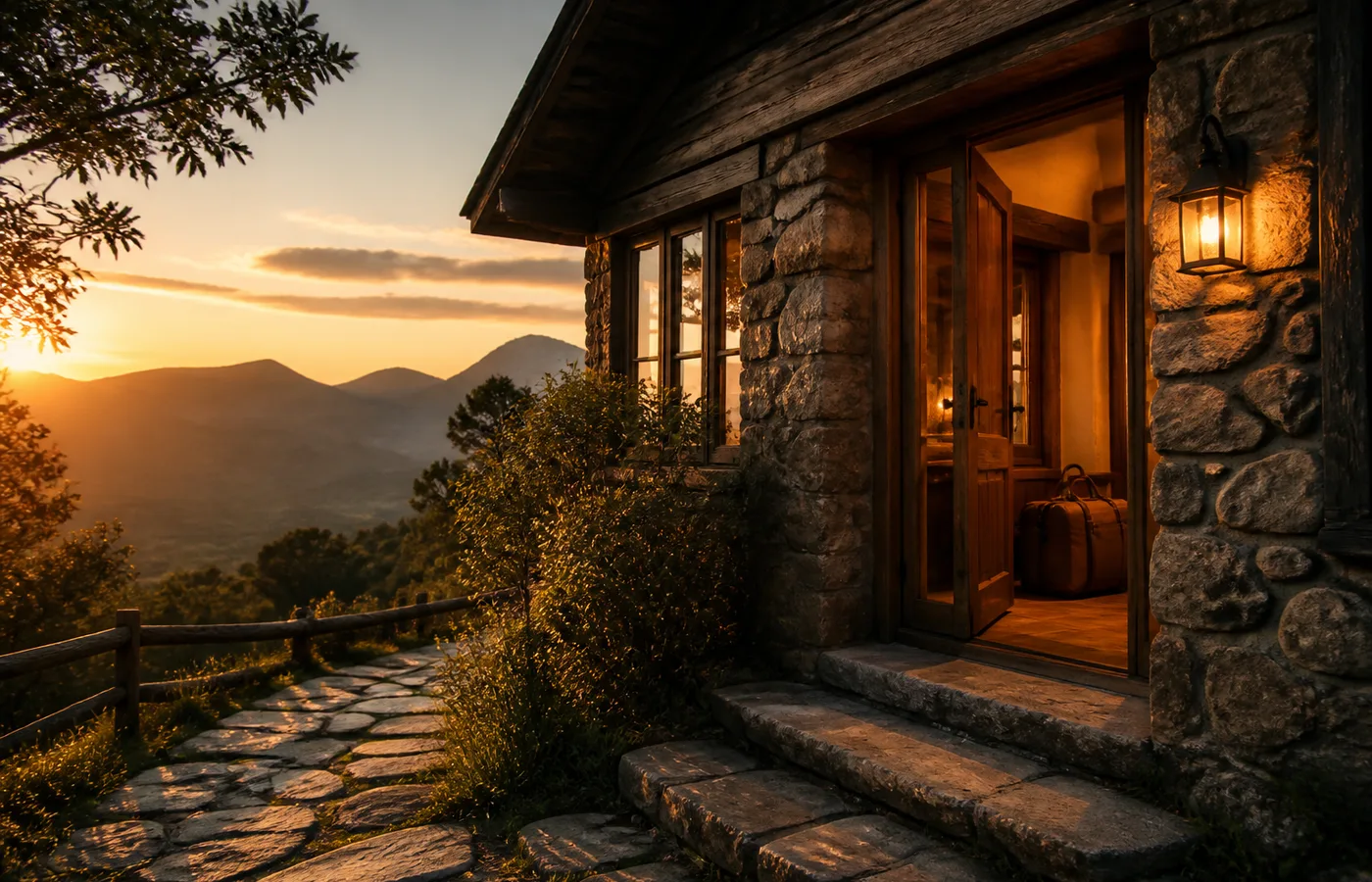
Sitges has three broad places to stay: the centre around the casco antiguo, the paseo maritimo facing the beach, and the northern zone toward the station and the residential streets. The centre suits a short stay on foot, the paseo maritimo suits beach access, and the northern zone suits longer stays and quieter nights. Price and availability move with the season, so the same room can cost noticeably more during carnaval, Festa Major or the film festival than in a plain week of November.
Where to sleep in Sitges: centre, paseo maritimo or northern zone?
The centre is the compact grid around the iglesia de Sant Bartomeu and the casco antiguo. Streets are narrow, many are pedestrian, and the beach is a short walk downhill. This is the choice for a two or three night stay where the point is to walk everywhere: dinner, the church square, the Cau Ferrat and Maricel museums, the seafront. Rooms here tend to be smaller, and buildings are old, so ask about stairs and air conditioning before booking. Noise is the trade-off. Bars and restaurants stay active late, and a room over a plaza can be loud until two in the morning.
The paseo maritimo is the promenade that runs along the beach. Accommodation here is mostly larger buildings with sea-facing rooms, and the appeal is obvious: you cross a road and you are on sand. It suits travellers who want the beach as the main event, and it is practical for families who would rather not carry towels through town. The trade-off is exposure. Sea-facing rooms catch afternoon sun and can be hot, and the promenade itself is busy from morning to night in summer.
The northern zone covers the area toward the train station and the streets inland from there. It is quieter, more residential, and generally cheaper for the same standard of room. The station is within walking distance, which matters if you are arriving from Barcelona by train and leaving again. The walk to the centre is ten to twenty minutes depending on where you stay, and it is flat enough to do with a suitcase. For a longer stay, a week or more, this zone often makes more sense: you get more space, calmer nights, and you are not paying a premium for a view you use twice a day.
If you are still weighing the three areas against each other, a Spanish-language guide to where to sleep in Sitges sets out the same three zones with the types of lodging and the seasonal price patterns in each. It is written for readers preparing a trip from Barcelona, which is the same starting point most visitors to this part of the coast share.
What type of accommodation fits a short or a long stay?
For a short stay, two or three nights, a hotel room in the centre or on the paseo maritimo is usually the simplest answer. You are paying for location and for not having to think about anything: check in, drop the bag, walk out. Breakfast included is worth more than it looks when you have only two mornings and do not want to spend one of them finding a cafe.
For a longer stay, a week or more, the calculation changes. An apartment with a kitchen lets you eat some meals at home, which matters because restaurant meals three times a day add up faster than the room rate difference between a hotel and a flat. Laundry becomes a real consideration after four or five days. A washing machine in the apartment is worth more than a sea view you stop noticing by day three.
Between the two, there is a middle category: small guesthouses and rooms in converted houses, often in the centre or just off it. These tend to have fewer rooms, more contact with the owner, and less standardised service. They work well for solo travellers and couples who want a base rather than a resort.
A few practical points apply to all of them. Read recent reviews rather than old ones, because a change of management or a renovation can flip a place in either direction. Check whether the room has a window onto the street or onto an interior courtyard, since the difference in noise is large. And confirm the cancellation terms, because coastal weather and train disruptions do happen.
How do prices and availability change with the season?
Sitges has a strong seasonal swing, and it is not only about summer. The highest prices fall on specific dates rather than on whole months. Carnaval, in February or early March depending on the year, fills the town. Festa Major in late August is another peak. The Sitges Film Festival in October brings a different kind of crowd and a different kind of demand, concentrated in the centre and along the seafront.
Outside those dates, the pattern is more ordinary. July and August are the most expensive months for beach-oriented lodging, and the paseo maritimo commands the largest premium then. June and September are close behind but usually cheaper, and the sea is still warm enough to swim in September. From November to March, excluding carnaval and the film festival, prices drop noticeably, and availability is rarely a problem. Some seafront places close or reduce service in the low season, so check that the hotel is actually open before you build a plan around it.
Spring and autumn are the compromise most travellers settle on. The weather is mild, the town is not packed, and rates sit between the two extremes. If your dates are flexible, shifting a trip by two or three weeks in either direction can change the price of the same room by a wide margin.
Availability follows the same curve. In the low season you can book late and still find something good. In the peak dates, the better rooms in the centre and on the promenade go months ahead, and what remains is either expensive or far from the beach. If your trip depends on a specific date, book early and accept the rate. If it does not, wait and watch.
Getting there and moving around without a car
Most visitors arrive from Barcelona. The train is the straightforward option: frequent departures, a station in Sitges, and a walk or short taxi ride from there to any of the three zones. The bus is slower but can be useful depending on where in Barcelona you start. Driving gives flexibility for the surrounding coast but creates a parking problem in the centre, where streets are narrow and spaces are scarce.
Once you are in Sitges, a car is mostly a liability. The town is small, the centre is walkable, and the seafront is a promenade by design. Bicycles are common and there are rental points. For a stay of any length, choosing accommodation near the station or near the centre removes the need for a car entirely, which also removes the cost of parking it.
A note on reading reviews and official information
Reviews are useful for patterns and misleading for single events. Look for repeated complaints across several months rather than one angry paragraph. Look for whether the complaints are about things that matter to you: noise, stairs, breakfast, distance to the beach. A room that is wrong for one traveller is fine for another.
For anything that has to be certain, such as train times or festival dates, use the official sources rather than a booking page. The town’s tourism office and the train operator publish schedules and event calendars that are more reliable than a summary written months earlier. The same applies to prices: a rate quoted in an article is a snapshot, not a promise.
Sitges rewards a simple approach. Pick the zone that matches how you will spend your days, pick the type of lodging that matches the length of your stay, and treat the season as the variable that decides how much you pay and how early you need to book. The rest is walking.