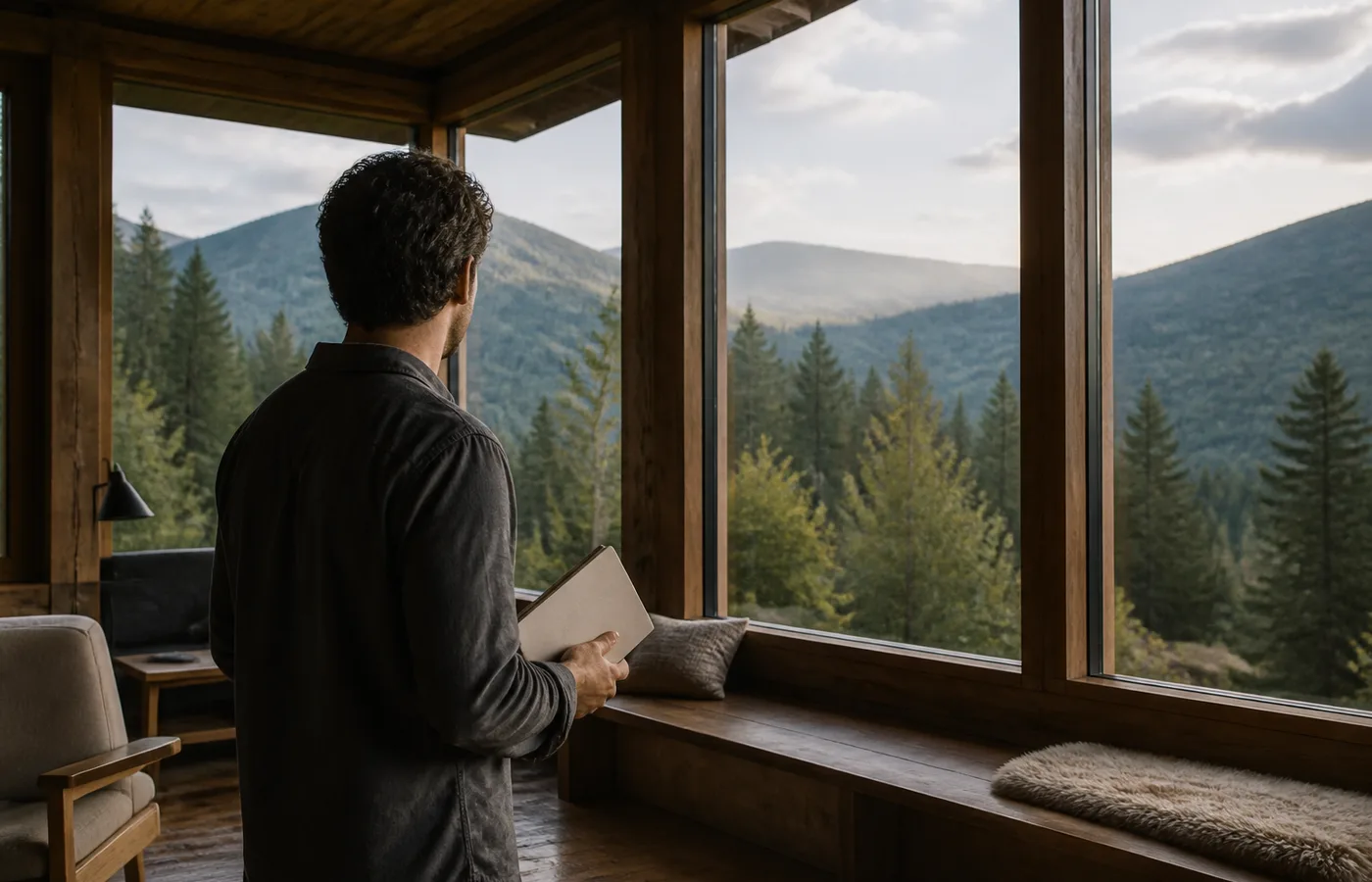
Choose a mountain cabin for a restful weekend stay
A calm way to compare a cabin before you book, from arrival light and heating to the shape of the first evening.
A practical sequence for making a mountain stay more legible: plan the walk, prepare the room, cook simply and keep a useful note of the season.
Slow travel is often described as a pace, but pace alone does not make a trip attentive. A short journey can still be crowded with decisions, while a well-prepared weekend can create genuine room to notice. Pine Rose Inn treats slow travel as a sequence: choose a stay whose practical details support the plan, arrive with a compact system, move through the landscape with margin and leave a useful record for the next day.
The first field note is the cabin brief. Before comparing properties, describe the moments that matter: arrival, sleep, shared time and access outside. This prevents a long amenity list from replacing judgement. A place becomes restful when its layout, systems and trade-offs fit the people using it. The related packing note then reduces equipment to functions, keeping warmth, food, light, movement and rest easy to find in a small room.
The second part belongs outdoors. A route plan should protect time for the return and for the observations that make walking worthwhile. Decide a turnaround before the ridge becomes persuasive, check current guidance and let the pace of the group shape the day. On a forest trail, repeat a few observations rather than trying to name everything. Canopy, ground, water, sound and light are enough to reveal how a familiar place changes. The same attention appears beside a river in Riffle Notes, where reading current, surface and weather turns an outing into a field record rather than a checklist.
Food and morning routines connect the room to the landscape. A one-pot meal built around seasonal ingredients asks little of an unfamiliar kitchen. A morning anchored by natural light creates a transition into the day without imposing a rigid schedule. Both practices are deliberately modest. Their value comes from removing friction while preserving attention for the people and place around them.
Finally, keep a record small enough to continue. Write what you observed, which decision followed and what you would change next time. Separate current conditions from durable advice, and link any precise claim to a source a reader can inspect. This method is explained further in the editorial policy and organised across the Mountain Living index. The dossier is not a finished itinerary. It is a reusable way to make the next mountain day clearer.
Start with the stay, then carry the method into the trail, kitchen and season.
A calm way to compare a cabin before you book, from arrival light and heating to the shape of the first evening.
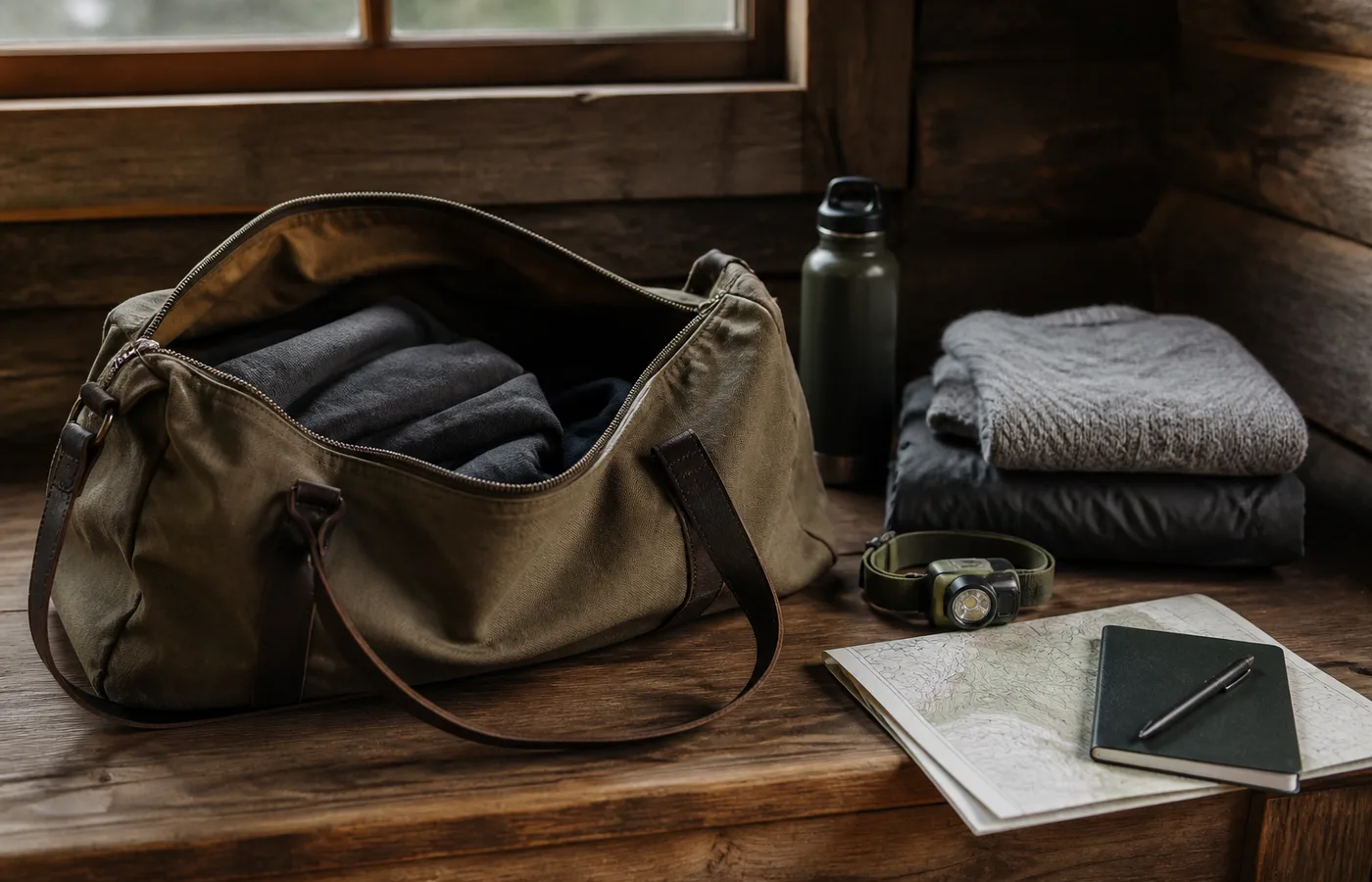
A packing system for remote stays that protects warmth, food and attention without turning a small cabin into storage.
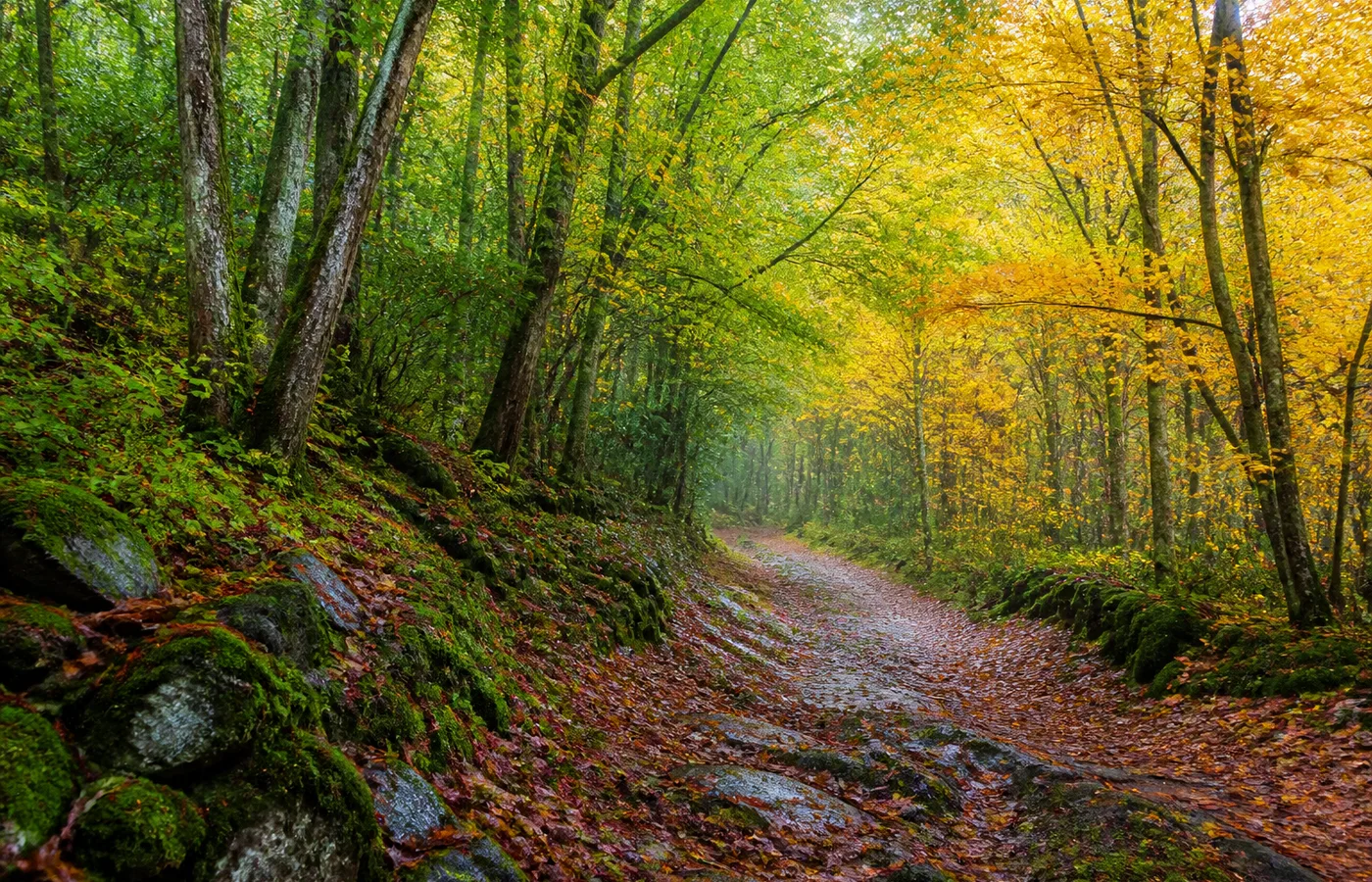
A field note for noticing canopy light, damp ground and the small signals that make a familiar trail feel new.
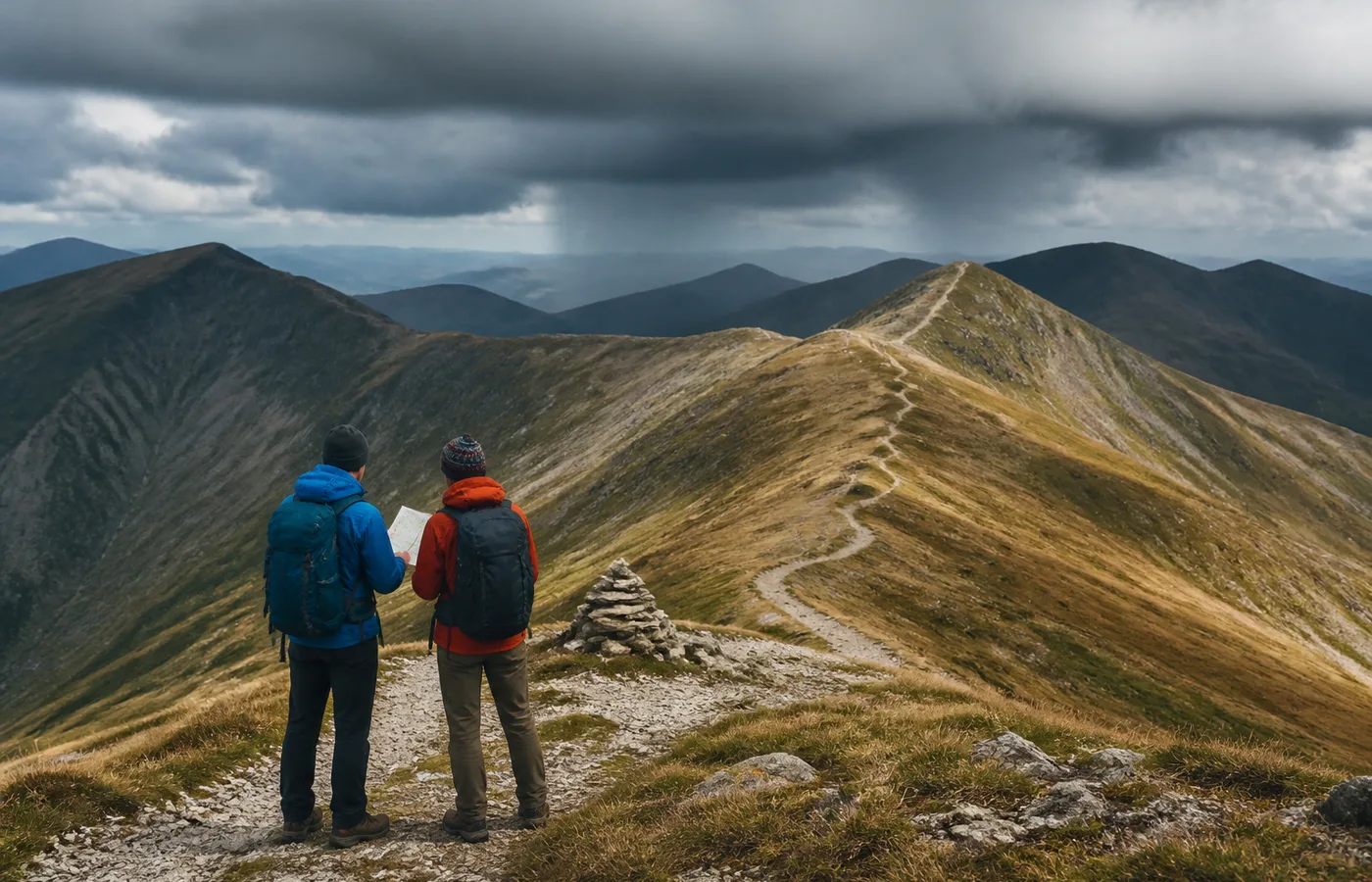
A straightforward planning method for a ridge walk that leaves enough daylight, weather margin and energy for the return.
Two field guides that apply the same attentive method beyond a mountain weekend.