Walk a forest trail with attention to seasonal change
A field note for noticing canopy light, damp ground and the small signals that make a familiar trail feel new.
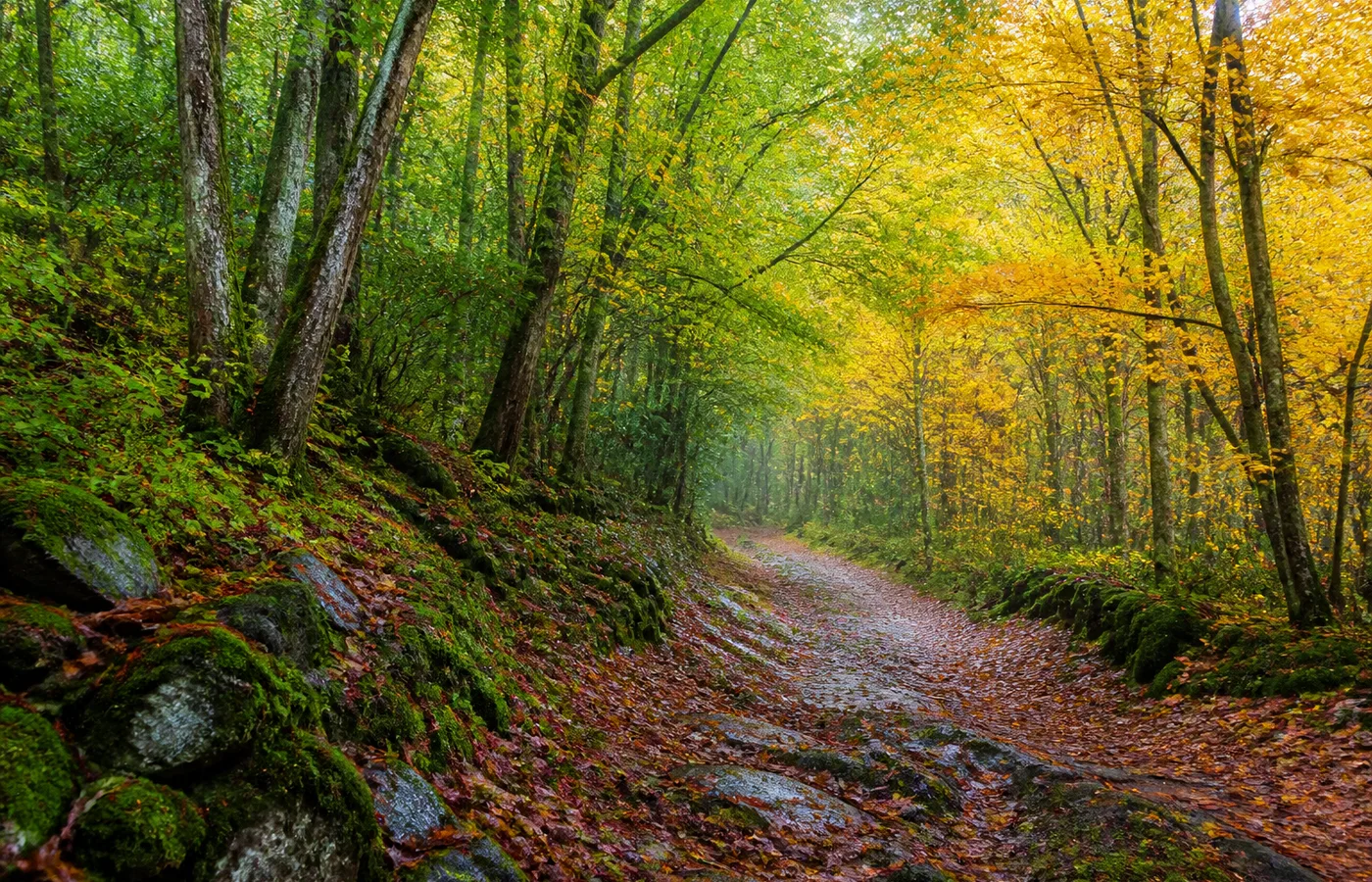
Walking a forest trail with attention to seasonal change turns a familiar route into a useful record. You do not need to identify every species or collect anything from the ground. Choose a manageable path, allow more time than the distance normally requires and observe the same few signals as you move: light, leaf stage, moisture, sound and the condition of the trail surface. Repeating that small method across several visits reveals change more clearly than trying to notice everything at once.
Choose a route that leaves time to look
A short loop or out-and-back route is ideal because observation slows the pace. Check current access, trail notices, weather and daylight before leaving. Decide on a turnaround time even when the route feels easy. The plan should still work if you spend ten minutes beside a stream or stop to compare two parts of the canopy. Attention is safest when it is supported by an ordinary trail plan.
At the trailhead, record the date, approximate time and recent weather in a notebook or phone. Note whether the ground is dry, damp, frozen or covered by fresh leaves. These details create context for everything that follows. A bright colour after rain can appear more intense than the same leaf in dry light, and a windy night can change the trail before the trees themselves look different.
Read the canopy and understory separately
Look up first. Notice whether the canopy is closed, broken by gaps or beginning to reveal the shape of individual branches. Then look beneath it at shrubs, ferns, saplings and moss. Different layers respond to light and temperature on different schedules. Treating the forest as several vertical rooms makes the seasonal transition easier to see and prevents the brightest tree from standing in for the whole landscape.
Instead of naming every plant, use consistent descriptive terms: new, full, fading, fallen or bare. Add one colour and one texture. This simple vocabulary is enough to compare visits without pretending to certainty. If you later want to identify a species, photograph the leaf, bark and overall form without breaking or removing a living part. Identification can happen after the walk.
Let the ground describe recent weather
Footing carries its own seasonal information. Needles can hide loose stone, wet leaves can cover roots and repeated freeze-thaw cycles can make a firm edge unstable. Slow down where the surface changes and keep enough distance from the person ahead to see your own line. The observation and the safe response belong together: noticing texture should improve the step rather than distract from it.
Water offers another useful marker. Compare the sound and width of a stream, dampness around a seep or the persistence of puddles in shaded sections. Do not infer a long-term trend from one visit. Record what is present and the weather that preceded it. A careful field note separates observation from explanation, leaving the explanation open until there is enough context.
Use sound, scent and temperature as landmarks
Seasonal change is not only visual. A leaf-covered path softens footsteps; a dry canopy moves differently in wind; damp soil and sun-warmed pine have distinct scents. Pause in the same kind of place, such as a bridge, clearing or sheltered bend, and listen for one minute. These sensory markers can make later visits surprisingly easy to compare.
Temperature can vary across a single route. A hollow may hold cool air while an exposed slope warms quickly. Notice the change on your skin before checking a device. That connection is one of the most durable forms of trail knowledge.
Finish with a small, repeatable record
At the end, write three lines: what changed, what stayed stable and what you want to notice next time. Add one photograph from a fixed viewpoint if it can be taken without leaving the trail. A modest record is more likely to continue through the year than an elaborate survey. Consistency gives it value.
Leave natural objects where they are and avoid stepping off route for a better image. The forest does not need to be rearranged to become legible. Check your notes at home, label photographs while the sequence is fresh and, if sharing them, distinguish clearly between what you saw and what you believe caused it.
The reward of a seasonal forest walk is not a complete inventory. It is a sharper relationship with change, built from repeated, careful attention to a route that remains larger than the notes you take from it.
Check current conditions
This article provides a planning method, not live route or weather information. Before leaving, consult current local guidance and an official forecast.