Prepare a mountain cabin for winter with simple checks
A seasonal closing list for warmth, water, food and the small repairs that are easier before the first hard freeze.
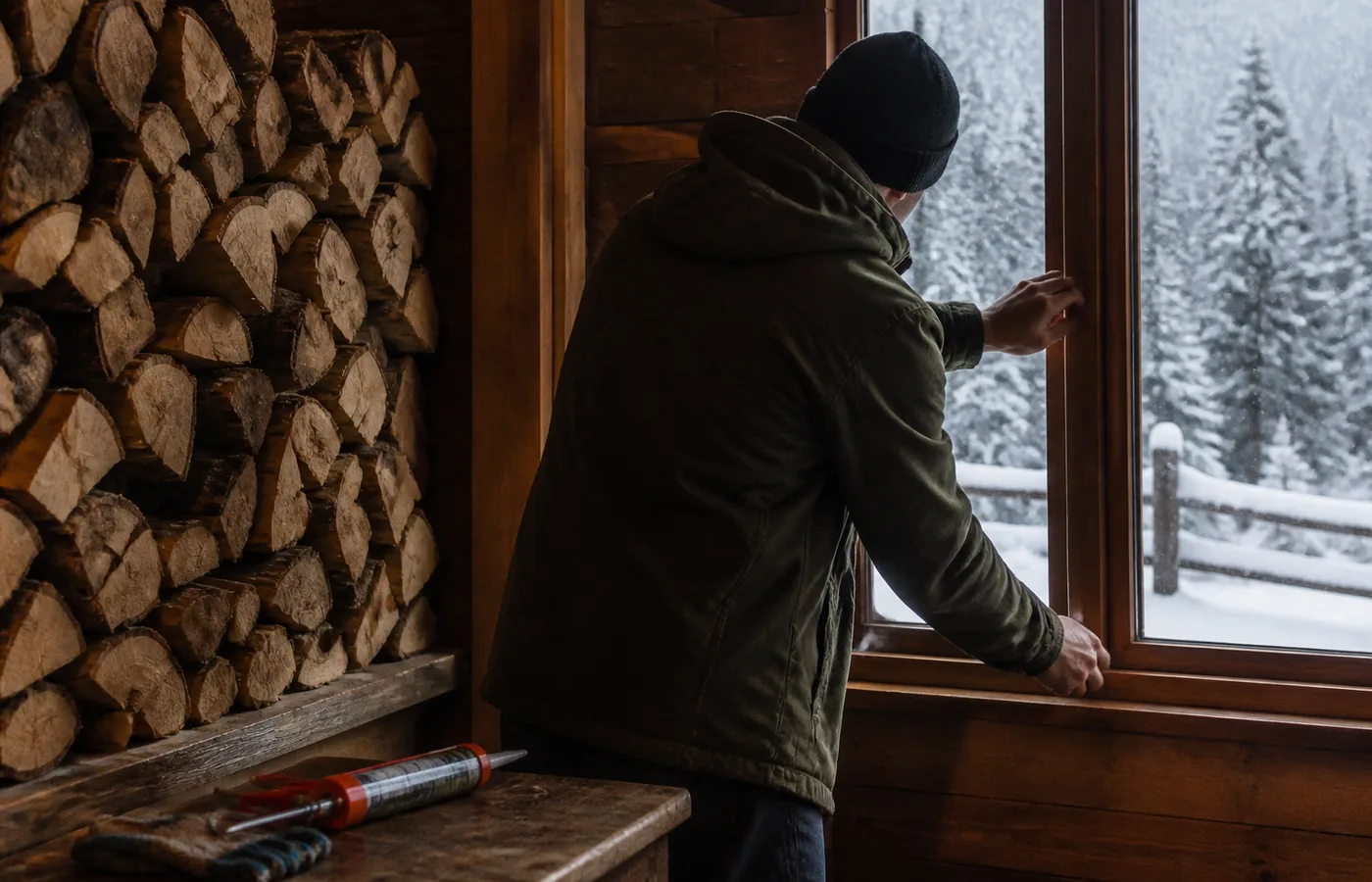
Preparing a mountain cabin for winter with simple checks is about making systems visible before cold, snow and shorter days make every small task harder. The correct procedure depends on the property, climate and equipment, so begin with the cabin’s own manuals, host instructions and local requirements. Then walk the building in a consistent order: water, heat, exterior, power, food and access. Record what you checked, what you changed and what still needs qualified attention. A clear note is part of the preparation, not an optional extra.
Start with the property-specific winter plan
A year-round occupied property, an occasional retreat and a fully winterised seasonal cabin require different actions. Identify who is responsible for utilities, snow access, alarms and inspections. If a task involves fuel, electrical work, pressurised systems or uncertain plumbing, use the appropriate professional rather than experimenting before a freeze.
Create three headings: complete now, arrange soon and monitor. This prevents urgent maintenance from being hidden among simple housekeeping. Add contact details and the location of instructions, but keep sensitive information out of any note left in public view. The plan should be understandable to the next authorised person who enters the cabin.
Trace water from entry to drain
Walk the route water takes through the property and look for exposed sections, slow leaks, damp cabinets and fixtures that have behaved poorly before. Follow the cabin’s approved procedure for shutting off, draining, insulating or maintaining heat. Different systems can be damaged by the wrong intervention, so labels and manuals take priority over memory.
Check hoses, exterior taps, washing equipment and any place where a small amount of trapped water could be overlooked. Dry sinks and surrounding surfaces so a later leak is easier to identify. Note valve positions only if you are authorised and certain. A photograph can document the final state for the owner without pretending to replace an inspection.
Make the heating system easy to understand
Confirm the normal winter setting and maintenance status of the installed heat source. Replace or clean only components covered by routine user guidance. Keep vents and safe clearances unobstructed, and ensure alarms are present and handled according to manufacturer instructions. A portable heater or open flame is not a substitute for resolving an uncertain fixed system.
If the cabin uses wood, inspect the dry storage area, tools and route from the stack to the stove. Do not overfill indoor storage or place combustible material where it does not belong. The first arrival should be able to understand how warmth is established without searching through several rooms. Leave concise, property-approved instructions where they are meant to be found.
Walk the exterior before weather hides it
Look from the ground for loose items, blocked drainage, damaged seals, branches over access paths and places where wind-driven rain or snow has entered before. Secure furniture and follow local practice for gutters, roofs and snow loads. Work at height and structural concerns belong to qualified people. The useful inspection is the one that identifies a problem early without creating another. When the walk ends with a tree that has to come out, the same weeks are the right ones to put its replacement in: fall planting for trees and shrubs explains why cooling soil suits a young root system better than a spring rush, which matters more at altitude than anywhere else.
Check doors and windows from inside as well. Latches should close cleanly, weather seals should sit in place and curtains should not trap moisture against glass. Photograph existing damage and date the note. A small gap may need a simple approved repair, while repeated staining or movement calls for investigation rather than cosmetic concealment.
Close food, power and access loops
Remove perishable food, clean crumbs and store permitted dry goods in appropriate sealed containers. Follow the property’s waste and wildlife guidance. Empty and dry appliances that will be switched off, leaving doors positioned as the manufacturer recommends. Unplug only what the winter plan specifies, since monitoring, heat and safety equipment may need continuous power.
Finally, prepare the next arrival. Confirm how the path, parking area and entrance will be managed after snow. Place a working light where it can be reached immediately and make sure key instructions remain current. Send the completion note to the responsible person rather than leaving the only copy inside the building.
A well-prepared cabin does not look abandoned. It looks legible: systems in their intended state, food and moisture removed, maintenance separated from housekeeping and the next authorised arrival able to understand what was done.
Check current conditions
This article provides a planning method, not live route or weather information. Before leaving, consult current local guidance and an official forecast.